A QR code is just a friction-reduced door. But if you don't communicate a compelling reason to turn the handle, the door stays closed.
Too often, brands simply slap a naked, unexplained QR code into the corner of a poster as an afterthought, and are subsequently confused by single-digit scan counts. Humans require context, incentivization, and urgency. By applying basic behavioral design, you can dramatically spike scan and conversion ratios.
1. The Command CTA Formulation
Never use a solitary QR code. It must be explicitly paired with a direct Call To Action (CTA). Tell the user exactly what to do and what positive outcome they will experience. Remove ambiguity.
Terrible
"Scan Me"
Better
"Scan to View Menu"
Optimal
"Scan to claim a free pastry today"
2. Employ Variable Rewards (Gamification)
Psychologically, unpredictable rewards generate more dopamine and engagement than predictable ones. Instead of a sterile link to a corporate homepage, map the code to a dynamic interactive layer.
This turns a passive advertising viewer into an active participant. They aren't just opening a webpage; they are playing a micro-game. Conversion on gamified landing pages often hits 30-40%.
3. Frame and Highlight the Target
If your code blends into the background art, it goes unnoticed. Use visual design framing to command attention. Place a contrasting border padding around the quiet zone. Use "scan frames" that visually wrap the code in a chat bubble or badge housing the CTA text.
These visual enclosures make the square feel less like a manufacturing serial number and more like a consumer-friendly button built for interaction.
4. Hyper-Contextual Placement
Provide value that makes sense in the physical context where the user sees the code.
- High-Dwell Environments: If they are standing at a transit stop for 10 minutes, offer deeper content like a 5-minute read or a podcast snippet.
- Action Environments: If they are staring at an espresso machine on a retail shelf, link to a 15-second setup video right there in the aisle to close the sale.
5. Brutally Optimize the Mobile Landing Experience
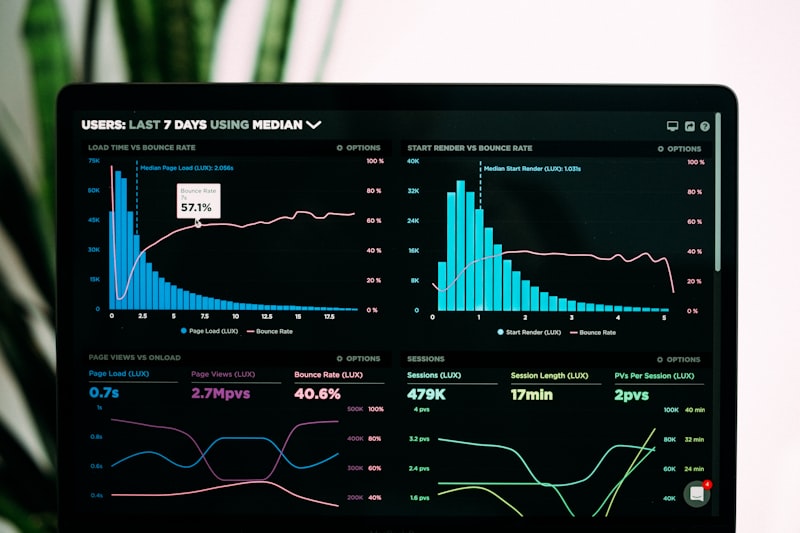
A scan is only half the battle. When the user's browser opens, the page must achieve First Contentful Paint (FCP) nearly instantly. Since 100% of QR scans come from mobile devices (often on erratic cellular connections), heavy SPA (Single Page Applications) payloads kill momentum.
Ensure the landing page immediately delivers entirely on the promise made by the physical CTA poster. If they scanned to get a concert schedule, that schedule must occupy the topmost viewport without requiring them to scroll past your marketing manifesto. Shorten the path to value.