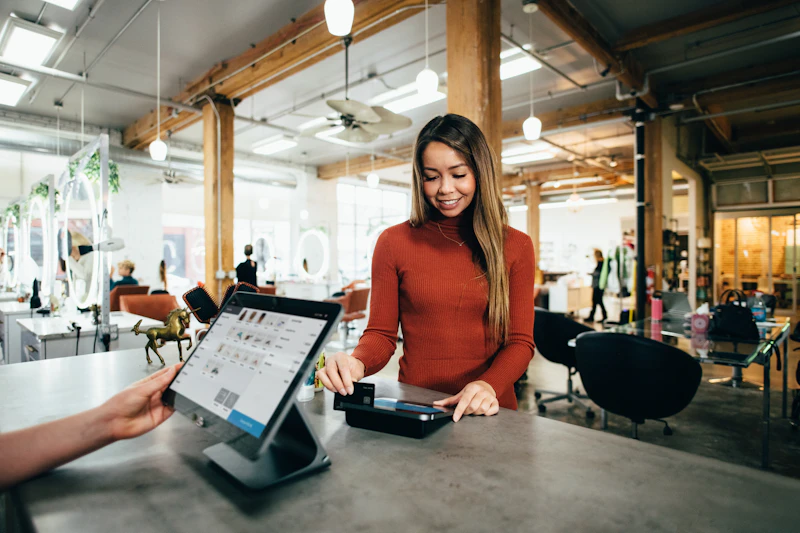
The democratization of point-of-sale infrastructure is complete. For modern small businesses and sole operators, expensive, rigid card terminals are a tax on operations rather than a necessity.
In many parts of Asia, QR payment paradigms skipped over credit card hardware entirely, establishing a direct-mobile culture (WeChat Pay, AliPay). Globally, QR codes are now the ultimate zero-hardware routing solution for pop-ups, farmers markets, tipping scenarios, and table-side checkout in high-volume hospitality.
Architecting Payment Codes
Static Payment Links
A hardcoded link directing users to a generalized payment gateway screen (like a Stripe Payment Link, Venmo handle, or PayPal.me link). The user scans, then manually types in the amount they owe. Extremely simple, but introduces friction and trust leaps for specific order flows.
Dynamic Checkout Generation
The merchant POS generates a unique QR code on a screen specifically for that exact transaction. This session-based code binds the dollar amount and the specific order ID together. The user scans, hits "Pay with Apple Pay," and the POS instantly confirms settlement. Magical UX.
The No-Code API Flow (Stripe/Square)
Building a frictionless payment gateway using off-the-shelf tools takes under 15 minutes:
Create a persistent Payment Link or "Checkout Session" wrapper in your Stripe/Square dashboard.
Use our dynamic generation engine to transform that URL into a branded offline asset.
Embed the QR prominently securely on menus or table tents.
Customer scans, OS triggers Apple Pay/Google Wallet sheet natively, payment completes within 8 seconds without verbal card exchange.
Security & Mitigation
"Quishing" (QR Phishing) poses a real threat in unmonitored environments (like parking meters or outdoor festival tables). Malicious actors can stick a perfectly cut QR sticker over your legitimate code, silently routing consumer payments to their offshore wallets while you remain oblivious.
Defensive Best Practices:
- Never use plain codes: Always utilize deep branding, custom colors, and center-embedded logos to make unauthorized sticker overlays immediately obvious via aesthetic mismatch.
- Display digitally: Where possible, render the payment QR on a customer-facing tablet or e-ink display rather than printed sticker paper.
- Print on secure receipts: Injecting the session QR directly onto the thermal paper given directly from cashier to customer ensures an un-hijackable pipeline.